更多精彩请到 http://www.139ya.com
science & software http://www.randelshofer.ch/
Showing posts with label 科学. Show all posts
Showing posts with label 科学. Show all posts
Friday, September 18, 2009


Monday, June 1, 2009
音障
更多精彩请到 http://www.139ya.com
音障是一种物理现象,当物体(通常是航空器)的速度接近音速时,将会逐渐追上自己发出的声波。声波叠合累积的结果,会造成震波(Shock Wave)的产生,进而对飞行器的加速产生障碍,而这种因为音速造成提升速度的障碍称为音障。
突破音障进入超音速后,从航空器最前端起会产生一股圆锥形的音锥,在旁观者听来这股震波有如爆炸一般,故称为音爆或声爆(Sonic Boom)。强烈的音爆不仅会对地面建筑物产生损害,对于飞行器本身伸出冲击面之外部分也会产生破坏。
除此之外,由于在物体的速度快要接近音速时,周边的空气受到声波叠合而呈现非常高压的状态,因此一旦物体穿越音障后,周围压力将会陡降。在比较潮湿的天气,有时陡降的压力 所造成的瞬间低温可能会让气温低于它的露点(Dew Point)温度,使得水汽凝结变成微小的水珠,肉眼看来就像是云雾般的状态。但由于这个低压带会随著空气离机身的距离增加而恢复到常压,因此整体看来形状像是一个以物体 为中心轴、向四周均匀扩散的圆锥状云团
音障是一种物理现象,当物体(通常是航空器)的速度接近音速时,将会逐渐追上自己发出的声波。声波叠合累积的结果,会造成震波(Shock Wave)的产生,进而对飞行器的加速产生障碍,而这种因为音速造成提升速度的障碍称为音障。
突破音障进入超音速后,从航空器最前端起会产生一股圆锥形的音锥,在旁观者听来这股震波有如爆炸一般,故称为音爆或声爆(Sonic Boom)。强烈的音爆不仅会对地面建筑物产生损害,对于飞行器本身伸出冲击面之外部分也会产生破坏。
除此之外,由于在物体的速度快要接近音速时,周边的空气受到声波叠合而呈现非常高压的状态,因此一旦物体穿越音障后,周围压力将会陡降。在比较潮湿的天气,有时陡降的压力 所造成的瞬间低温可能会让气温低于它的露点(Dew Point)温度,使得水汽凝结变成微小的水珠,肉眼看来就像是云雾般的状态。但由于这个低压带会随著空气离机身的距离增加而恢复到常压,因此整体看来形状像是一个以物体 为中心轴、向四周均匀扩散的圆锥状云团
Tuesday, March 24, 2009
瘾科学:飞机为什么会飞?
更多精彩请到 http://www.139ya.com
转自: http://cn.engadget.com/2009/03/23/on-flight/

「这个我知道!高中有学过嘛,就是因为机翼的形状的关系,气流从上面流过必须要走比从下面流过长的距离,但最后上下气流又必须在机翼后缘汇合,因此机翼上侧的气流势必要比较快。依照伯努力定律,流速快的流体气压低,所以机翼上方就会产生一个底低压区,将飞机整个向上拉!这就是飞机会飞的原理啰~」
或至少,高中是这么学的。如果真的是这样的话,小姜就不用费事特地写一篇瘾科学啰 XD。仔细的想一想,就会发现一些疑点。举例来说,为什么机翼要做成前面厚,后面薄的形状?如果真的只要上面流过的的路径长就有升力的话,那中间厚,前后薄应该也能飞啊?后面厚也可以啊?为什么一定要前面厚?而且,如果真的是这样的话,飞机只要在跑道上一直加速,就会自动飞起来了,为什么要在最后有拉高机头「起飞」的动作?还有,为什么伸出去的襟翼(起飞降落时从机翼上伸出去的那几片额外的翼面)是渐次往下倾斜的?依照上面的原理,伸出去的襟翼是平的就好了啊?
显然的,一定哪里有问题...
上面这个影片,直接就让传统解释当中最主要的一个论点 -- 机翼上下的气流会汇合 -- 这点垮台了。机翼上下的气流根本就是照着各自的流速在流,没有汇合的问题。
所以对于飞机真正会飞的原因,目前的解释倾向于这样,只有两个部份:

所以襟翼的功能就很容易理解了。它是在不使气流剥离的前提下,增加下洗气流的角度,增加升力。因此襟翼才会是向下倾斜的啰!
等等,所以说高中课本提的那一套完全是错的吗?其实也不尽然。回想一下影片里,从机翼上方流过的气流不仅走的距离比下面远,而且还比下方流过的气流更早到达机翼后端。这意思是说,不仅上方流过的气流比下方流快,而且比传统的看法还要更快。这无疑的会对机翼产生一定量的升力,但究竟有多少,还有待商确。只能说,这真是门复杂的学问阿...
搞到最后,根本还是不知道为什么飞机会飞嘛!事实上确实是如此。飞机的各个部份的形状都有可能影响升力不仅是机翼,机身的形状也会有影响。此外,机翼的形状也会在不同的速度下有不同的反应,例如三角翼适合超音速飞行(因为机翼整个在锥状声波面里),后掠翼适合高次音速巡航,特技飞机则是方形的一片比较稳定,这也不是光用侧截面图就能说明的。唯一能安全地确定飞机表现的方式,就只有靠经验、风洞测试和计算机仿真了。即使是今天,我们对翼尖气流仍然还是不那么了解呢!
如果大家有兴趣的话,可以去 NASA 的 Glenn Research Center 网站,里头有个很简单的机翼模拟 Applet FoilSim,让你可以设定一些数据,看看能提供多少升力。英文 OK 的人,可以试试这个进阶版,里头有更多的设定喔!下面是简单版的简单说明:

Speed-mph:时速,单位是英里/小时。速度越快,升力越大。
Altitude-ft:高度,单位是英尺。高度越高,空气越稀薄,升力越小。
Angle-deg:机翼的攻角。攻角增加时,升力会先渐渐增加,直到气流分离时,升力会骤降。
Camber-%c:机翼的「拱起」度。看起来,似乎是拱起度越高,升力越大。
Thick-%crd:机翼的厚度和长度之间的比例。机翼越厚,升力越大(但影响似乎很小)。
Area-sq ft:机翼面积,单位是平方尺。面积愈大,升力越大。
当然,这里只是单纯讲「升力」。和升力相对的是,升力越大,阻力也会越大,所以机翼设计时通常不会以高升力为第一考虑。
转自: http://cn.engadget.com/2009/03/23/on-flight/

「这个我知道!高中有学过嘛,就是因为机翼的形状的关系,气流从上面流过必须要走比从下面流过长的距离,但最后上下气流又必须在机翼后缘汇合,因此机翼上侧的气流势必要比较快。依照伯努力定律,流速快的流体气压低,所以机翼上方就会产生一个底低压区,将飞机整个向上拉!这就是飞机会飞的原理啰~」
或至少,高中是这么学的。如果真的是这样的话,小姜就不用费事特地写一篇瘾科学啰 XD。仔细的想一想,就会发现一些疑点。举例来说,为什么机翼要做成前面厚,后面薄的形状?如果真的只要上面流过的的路径长就有升力的话,那中间厚,前后薄应该也能飞啊?后面厚也可以啊?为什么一定要前面厚?而且,如果真的是这样的话,飞机只要在跑道上一直加速,就会自动飞起来了,为什么要在最后有拉高机头「起飞」的动作?还有,为什么伸出去的襟翼(起飞降落时从机翼上伸出去的那几片额外的翼面)是渐次往下倾斜的?依照上面的原理,伸出去的襟翼是平的就好了啊?
显然的,一定哪里有问题...
上面这个影片,直接就让传统解释当中最主要的一个论点 -- 机翼上下的气流会汇合 -- 这点垮台了。机翼上下的气流根本就是照着各自的流速在流,没有汇合的问题。
所以对于飞机真正会飞的原因,目前的解释倾向于这样,只有两个部份:
- 流体倾向于贴着表面流动 -- 这称为柯恩达效应(Coandă effect,亦称康达效应或附壁效应),简单来说,当流体流过弯曲的表面时(想象水从汤匙的下方流过),表面上上微小的阻力,会导致流体的速度变慢,让流体顺着弯曲的表面流动。
- 上翼面前高后低 -- 这点,再加上上述的柯恩达效应,会导致气流离开上翼面时,角度是略为向下的(称为下洗,Downwash)。就是这一点点的向下推力,让飞机飞起来的。简单吧?

所以襟翼的功能就很容易理解了。它是在不使气流剥离的前提下,增加下洗气流的角度,增加升力。因此襟翼才会是向下倾斜的啰!
等等,所以说高中课本提的那一套完全是错的吗?其实也不尽然。回想一下影片里,从机翼上方流过的气流不仅走的距离比下面远,而且还比下方流过的气流更早到达机翼后端。这意思是说,不仅上方流过的气流比下方流快,而且比传统的看法还要更快。这无疑的会对机翼产生一定量的升力,但究竟有多少,还有待商确。只能说,这真是门复杂的学问阿...
搞到最后,根本还是不知道为什么飞机会飞嘛!事实上确实是如此。飞机的各个部份的形状都有可能影响升力不仅是机翼,机身的形状也会有影响。此外,机翼的形状也会在不同的速度下有不同的反应,例如三角翼适合超音速飞行(因为机翼整个在锥状声波面里),后掠翼适合高次音速巡航,特技飞机则是方形的一片比较稳定,这也不是光用侧截面图就能说明的。唯一能安全地确定飞机表现的方式,就只有靠经验、风洞测试和计算机仿真了。即使是今天,我们对翼尖气流仍然还是不那么了解呢!
如果大家有兴趣的话,可以去 NASA 的 Glenn Research Center 网站,里头有个很简单的机翼模拟 Applet FoilSim,让你可以设定一些数据,看看能提供多少升力。英文 OK 的人,可以试试这个进阶版,里头有更多的设定喔!下面是简单版的简单说明:

Speed-mph:时速,单位是英里/小时。速度越快,升力越大。
Altitude-ft:高度,单位是英尺。高度越高,空气越稀薄,升力越小。
Angle-deg:机翼的攻角。攻角增加时,升力会先渐渐增加,直到气流分离时,升力会骤降。
Camber-%c:机翼的「拱起」度。看起来,似乎是拱起度越高,升力越大。
Thick-%crd:机翼的厚度和长度之间的比例。机翼越厚,升力越大(但影响似乎很小)。
Area-sq ft:机翼面积,单位是平方尺。面积愈大,升力越大。
当然,这里只是单纯讲「升力」。和升力相对的是,升力越大,阻力也会越大,所以机翼设计时通常不会以高升力为第一考虑。
Friday, September 12, 2008
Wednesday, September 10, 2008
大型强子对撞机 组图

1962年时的林恩·埃文斯(Lyn Evans)博士

现年63岁的林恩·埃文斯(Lyn Evans)博士


ATLAS是一台巨型数字照相机,能够拍摄质子间6亿次碰撞的照片

大型强子对撞机(LHC)

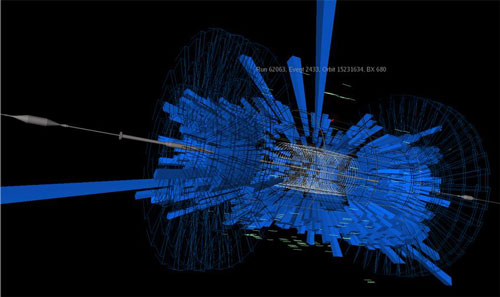
粒子相撞

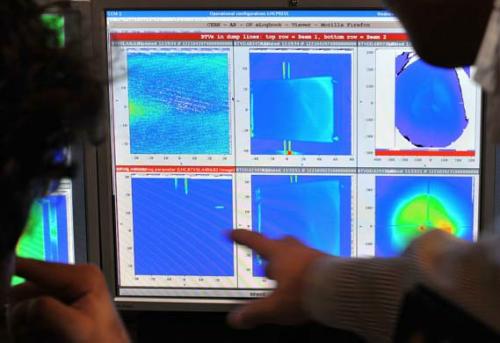
欧洲核研究组织(CERN)的科学家在瑞士操纵

大型强子对撞机位于瑞士、法国边境地下100米深的环形隧道中,隧道全长达27公里
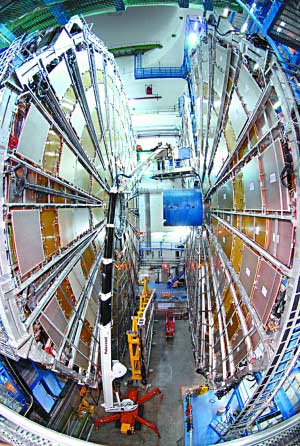
位于瑞士和法国边境地区的欧洲核子研究中心(CERN)

大型强子对撞机部件

Atom smasher fired up in 'God particle' hunt
CERN, Switzerland (CNN) -- Scientists Wednesday applauded as one of the most ambitious experiments ever conceived got successfully underway, with protons being fired around a 27-kilometer (17-mile) tunnel deep beneath the border of France and Switzerland in an attempt to unlock the secrets of the universe.

Scientists applaud during the switch on operation of the Large Hadron Collider.

1 of 2


The Large Hadron Collider -- a $9 billion particle accelerator designed to simulate conditions of the Big Bang that created the physical Universe -- was switched on at 0732 GMT to cheers and applause from experts gathered to witness the event.
While observers were left nonplussed by the anticlimactic flashing dots on a TV screen that signalled the machine's successful test run, among teams of scientists involved around the world there were jubilant celebrations and popping champagne corks.
In the coming months, the collider is expected to begin smashing particles into each other by sending two beams of protons around the tunnel in opposite directions.
Skeptics, who claim that the experiment could lead to the creation of a black hole capable of swallowing the planet, failed in a legal bid to halt the project at CERN, the European Organization for Nuclear Research.

The experiment will look at how the universe formed by analyzing particle collisions.

2 of 2

Others have branded it a colossal waste of cash, draining resources from its multinational collaborators that could have been spent on scientific research with more tangible benefits to mankind.
Sound off: What do you think of the experiment?
French President Nicolas Sarkozy hailed the project as a major achievement for Europe.
"The repercussions of this scientific investment without precedent in the history of humanity will be essential not only for the intimate knowledge of our universe, but also for the direct applications in fields as varied as intensive calculation or even medicine," he said. 
The collider will operate at higher energies and intensities in the next year, potentially generating enough data to make a discovery by 2009, experts say.
Don't Miss
They say the experiment has the potential to confirm theories that physicists have been working on for decades including the possible existence of extra dimensions. They also hope to find a theoretical particle called the Higgs boson -- sometimes referred to as the "God particle," which has never been detected, but would help explain why matter has mass.
The collider will recreate the conditions of less than a millionth of a second after the Big Bang, when there was a hot "soup" of tiny particles called quarks and gluons, to look at how the universe evolved, said John Harris, U.S. coordinator for ALICE, a huge detector specialized to analyze that question.
Since this is exploratory science, the collider may uncover surprises that contradict prevailing theories, but which are just as interesting, said Joseph Lykken, theoretical physicist at the Fermi National Accelerator Laboratory.
"When Columbus sails west, he thought he was going to find something. He didn't find what he thought he was going to find, but he did find something interesting," said Lykken, who works on the Compact Muon Solenoid, one of six experiments inside the collider complex.
Don't Miss
Why should the layperson care about this particular exploration? Years ago, when electrons were first identified, no one knew what they were good for, but they have since transformed our entire economy, said Howard Gordon, deputy research program manager for the collider's ATLAS experiment.
"The transformative effect of this research will be to understand the world we live in much better," said Gordon, at Brookhaven National Laboratory. "It's important for just who we are, what we are."
Fears have emerged that the collider could produce black holes that could suck up anything around them -- including the whole Earth. Such fears prompted legal actions in the U.S. and Europe to halt the operation of the Large Hadron Collider, alleging safety concerns regarding black holes and other phenomena that could theoretically emerge.
Although physicists acknowledge that the collider could, in theory, create small black holes, they say they do not pose any risk. A study released Friday by CERN scientists explains that any black hole created would be tiny, and would not have enough energy to stick around very long before dissolving. Five collider collaborators who did not pen the report independently told CNN there would be no danger from potential black holes.
John Huth, who works on the collider's ATLAS experiment, called such fears "baloney" in a recent interview, and noted that in normal physics, even if the black hole were stable, it could just pass through the Earth without being detected or without interacting at all.
"The gravitational force is so weak that you'd have to wait many, many, many, many, many lifetimes of the universe before one of these things could [get] big enough to even get close to being a problem," said Huth, professor of physics at Harvard University.
Subscribe to:
Posts (Atom)

 Posts
Posts


